Finding the right blonde balayage can be difficult when you want a lighter look without harsh lines or constant salon visits. Different balayage techniques create different levels of brightness, dimension, and contrast, so choosing the right one depends on your natural hair color and the look you want. Here are 18 blonde balayage techniques to help you find a style that feels natural, fresh, and easy to maintain.
1. Classic Blonde Balayage
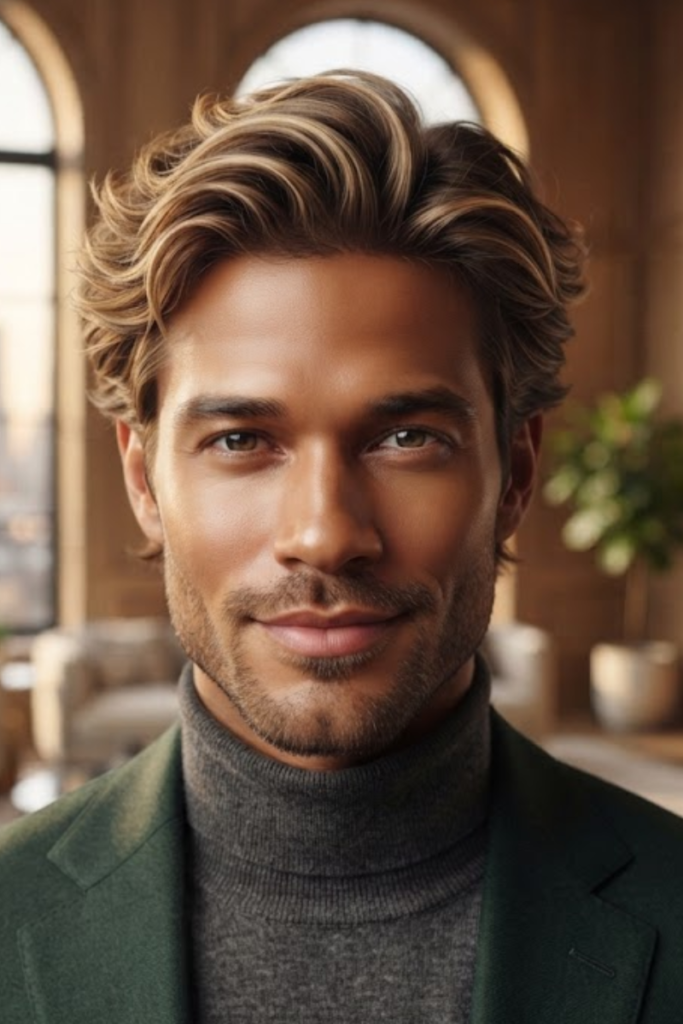
Classic Blonde Balayage creates soft blonde highlights that blend naturally into the base color.
It adds brightness and dimension without making the hair look overly processed.
This technique works well for women who want a natural blonde update.
It is also easy to customize for different hair colors and lengths.
2. Honey Blonde Balayage
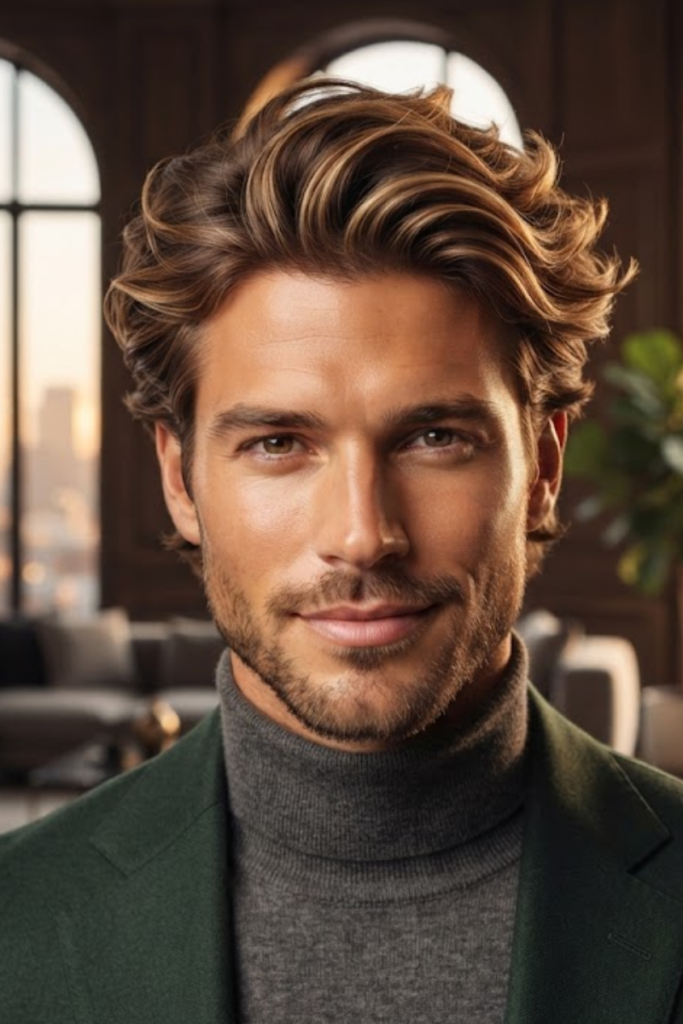
Honey Blonde Balayage uses warm golden tones to create a rich and glowing finish.
The warm color adds depth while making the hair look brighter and healthier.
It works especially well with medium brown and dark blonde bases.
This is a great choice if you prefer warm blonde shades over icy tones.
3. Ash Blonde Balayage
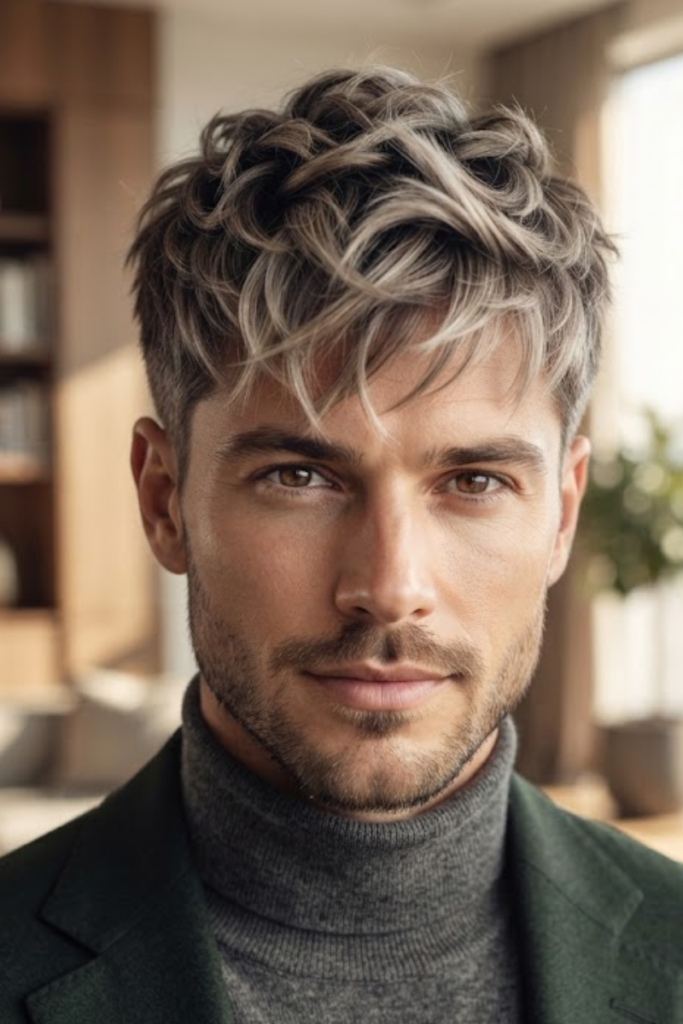
Ash Blonde Balayage uses cool blonde tones to create a soft and modern appearance.
The cooler shades help reduce unwanted warmth in the hair.
This technique works well with naturally cool or neutral hair colors.
It is ideal for anyone who wants a sophisticated blonde finish.
4. Beige Blonde Balayage
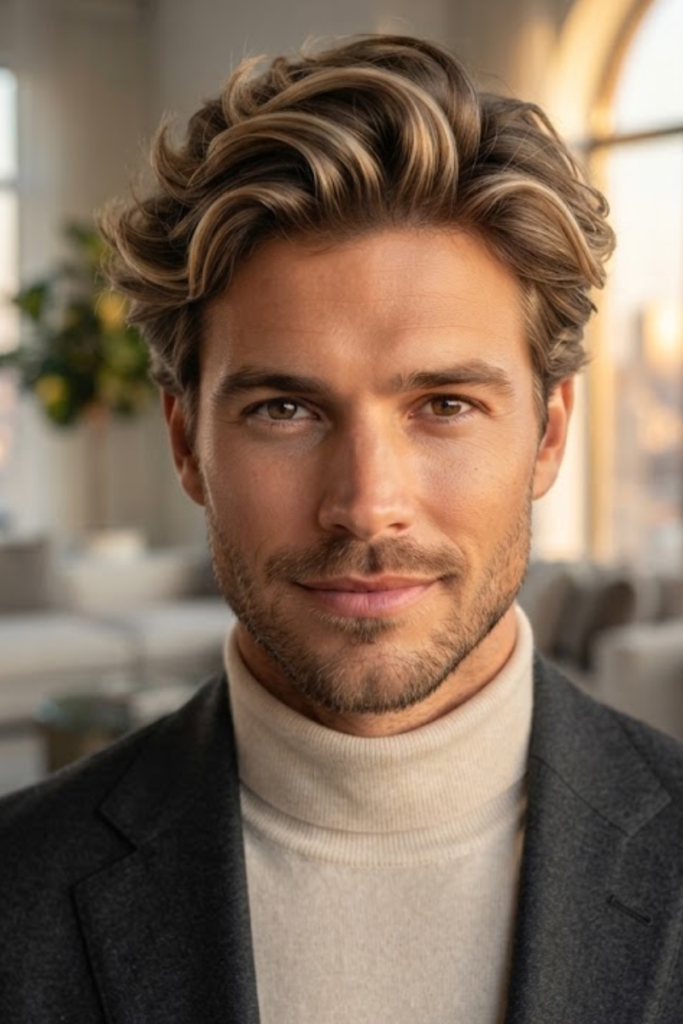
Beige Blonde Balayage offers a balanced shade between warm and cool blonde.
It creates a soft, natural-looking result without being too golden or too icy.
This makes it an easy option for many different skin tones.
The subtle color transition also keeps the overall style low-key.
5. Platinum Blonde Balayage
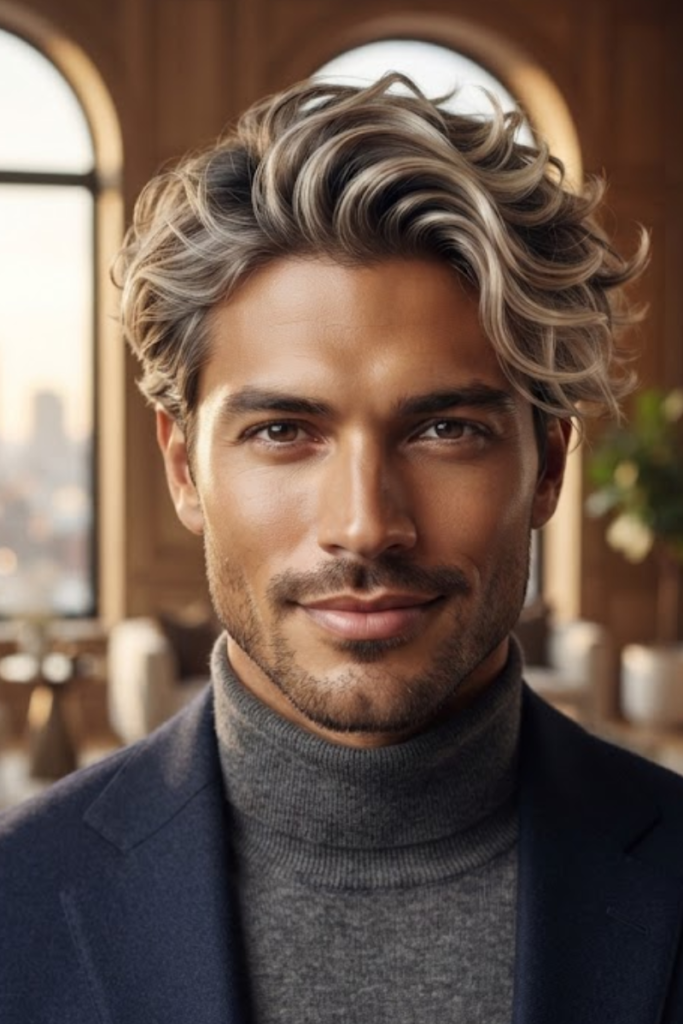
Platinum Blonde Balayage creates a bright and bold blonde appearance.
The lighter pieces add strong contrast while still keeping the balayage blend soft.
It works best when you want a noticeable change from your natural color.
Regular toning and proper hair care help keep the blonde looking fresh.
6. Caramel Blonde Balayage
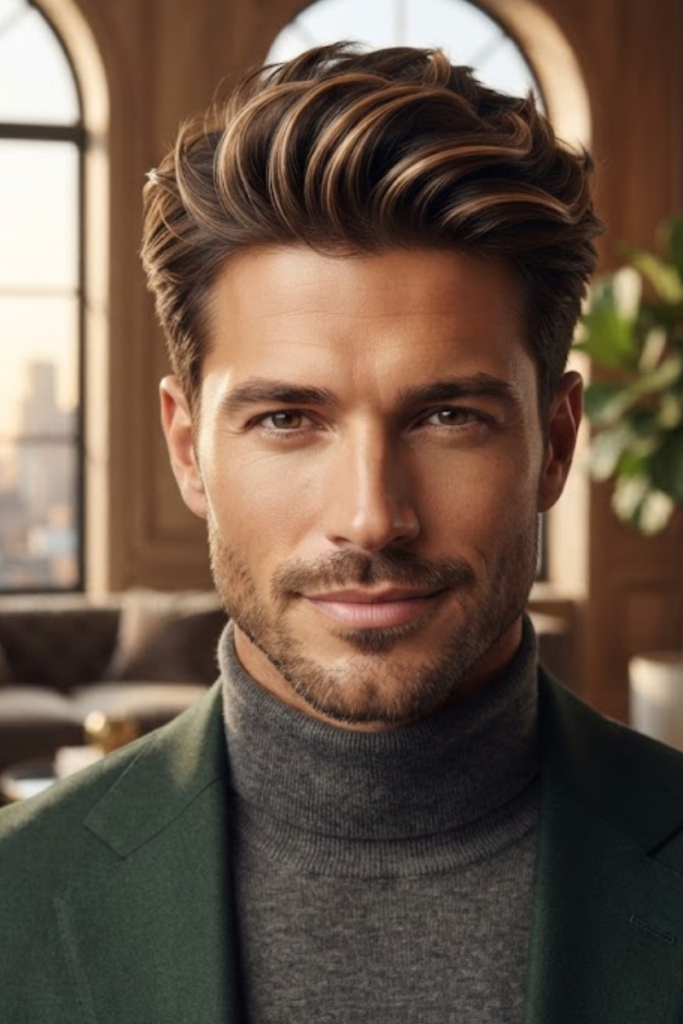
Caramel Blonde Balayage combines warm blonde and caramel tones for a rich finish.
The deeper shades add dimension and prevent the hair from looking flat.
This technique works beautifully on brown and dark blonde hair.
It is a great choice for a warm, natural-looking color transformation.
7. Bronde Balayage
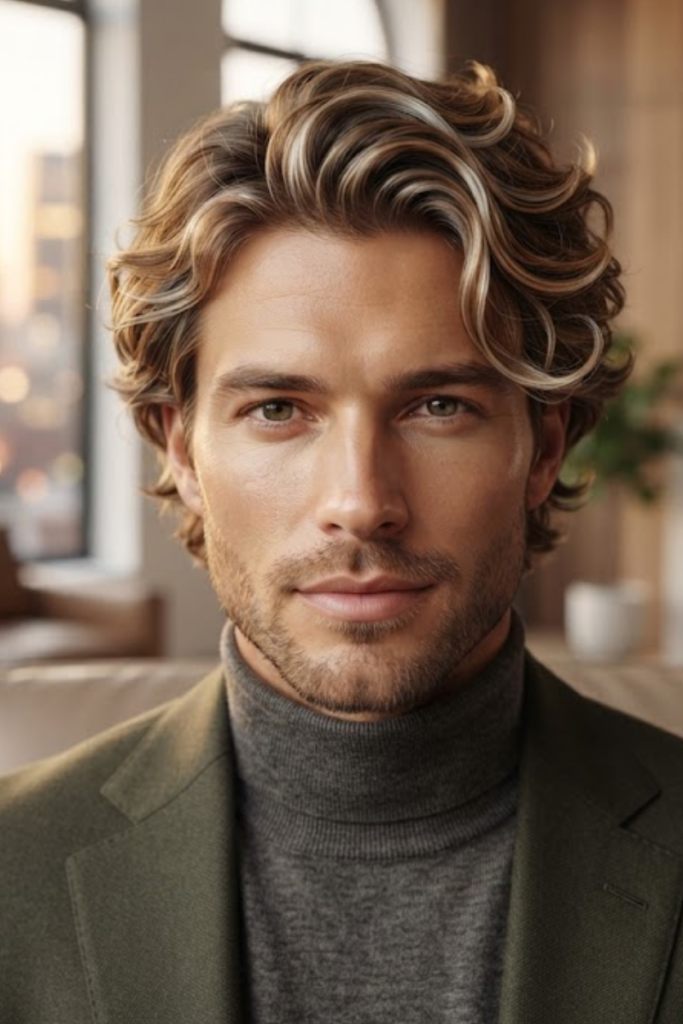
Bronde Balayage blends brown and blonde shades for a balanced, dimensional look.
It gives you the brightness of blonde without removing too much depth from the hair.
This technique is especially useful for brunettes who want a gradual transition.
The result looks natural and grows out smoothly.
8. Face-Framing Blonde Balayage
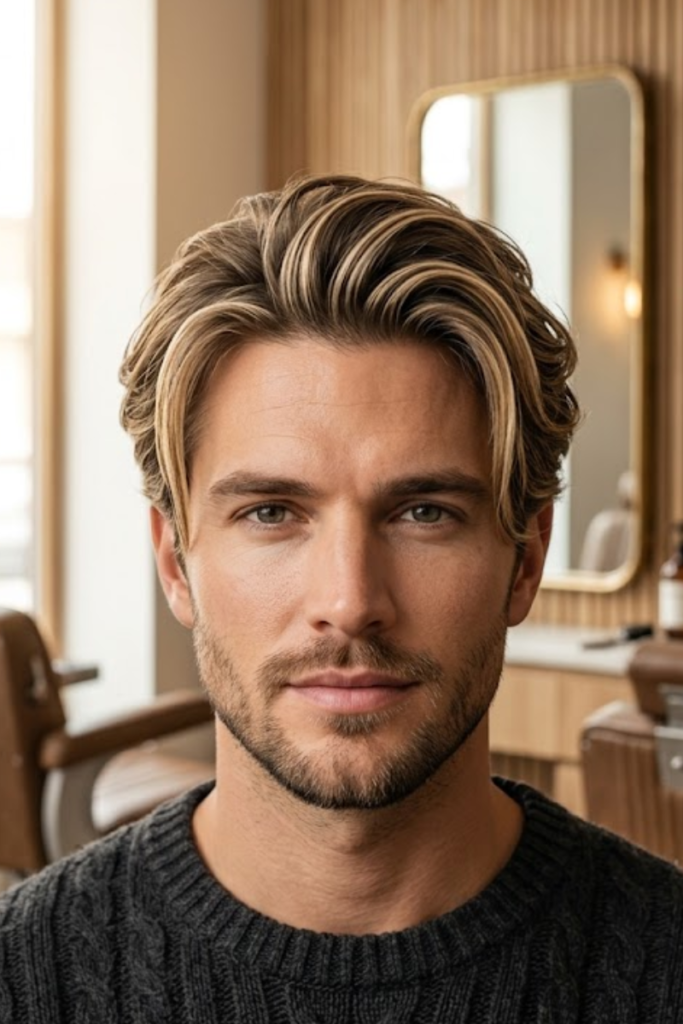
Face-Framing Balayage places brighter blonde pieces around the front of the hair.
These lighter sections draw attention to the face and instantly brighten the overall look.
You can keep the rest of the balayage soft for a more natural finish.
It is a simple way to make blonde hair look brighter without coloring every section.
9. Rooted Blonde Balayage
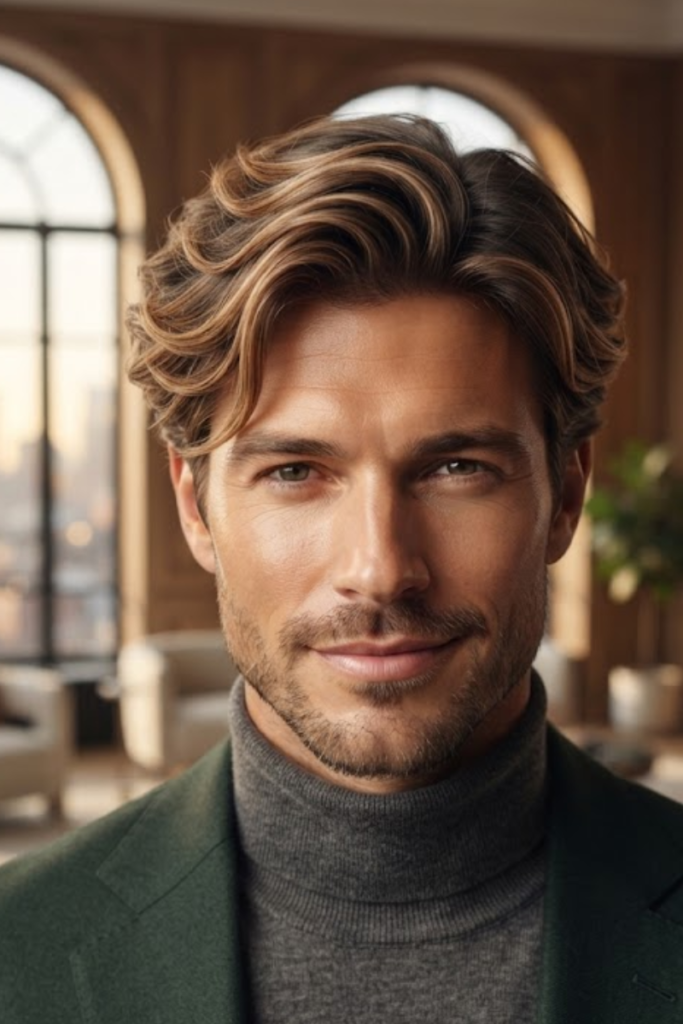
Rooted Blonde Balayage keeps the roots darker while gradually blending into lighter blonde ends.
The darker root creates depth and makes regrowth less noticeable.
This technique is perfect for anyone who wants a blonde look with less frequent touch-ups.
The smooth transition also gives the hair a more natural appearance.
10. Golden Blonde Balayage
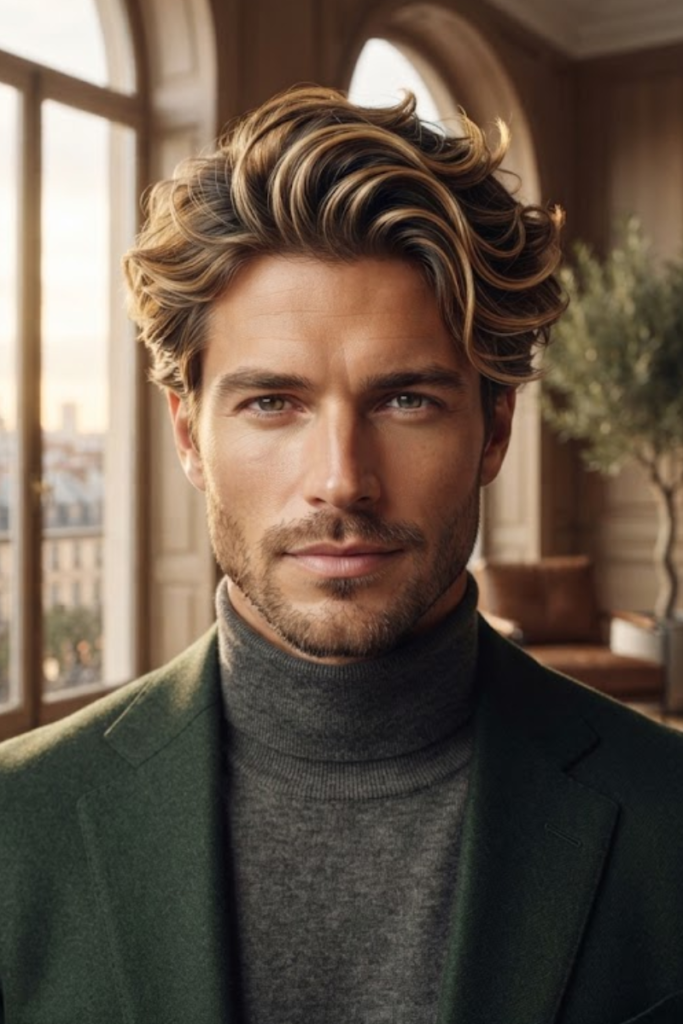
Golden Blonde Balayage creates bright, warm blonde tones with a soft golden finish.
It gives the hair a healthy-looking glow and adds plenty of dimension.
This shade works particularly well with warm and neutral undertones.
Choose it if you want blonde hair that looks bright rather than cool.
11. Icy Blonde Balayage
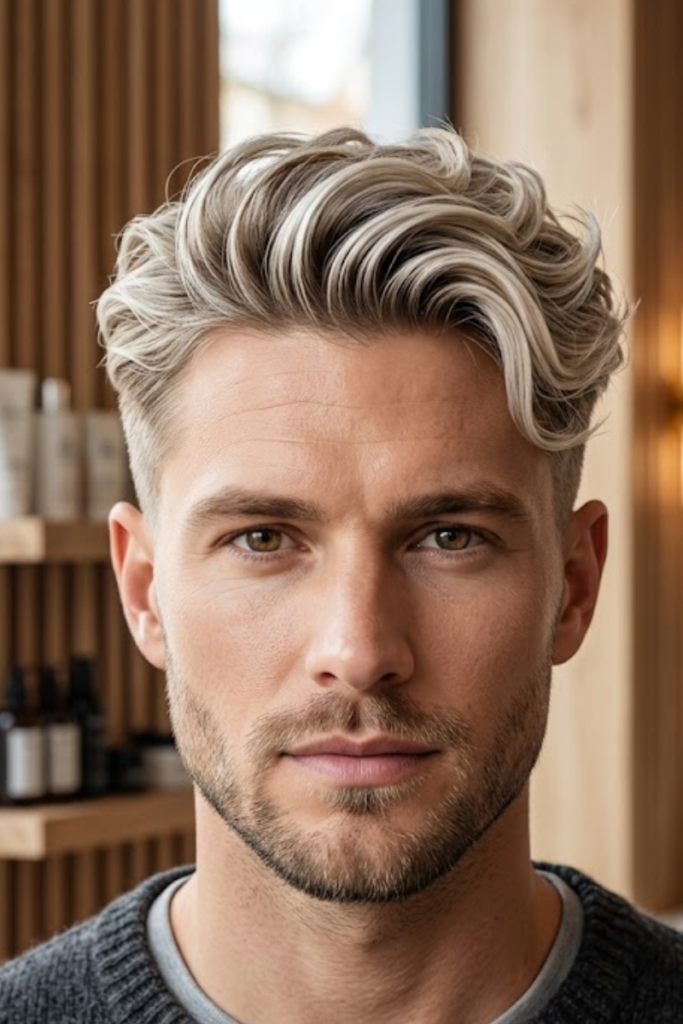
Icy Blonde Balayage uses very light, cool blonde tones for a striking finish.
The cooler color creates a clean and modern appearance.
It works well when you want a high-contrast blonde without traditional full-head color.
Using a purple shampoo can help maintain the cooler tone between salon visits.
12. Blonde Balayage on Dark Hair
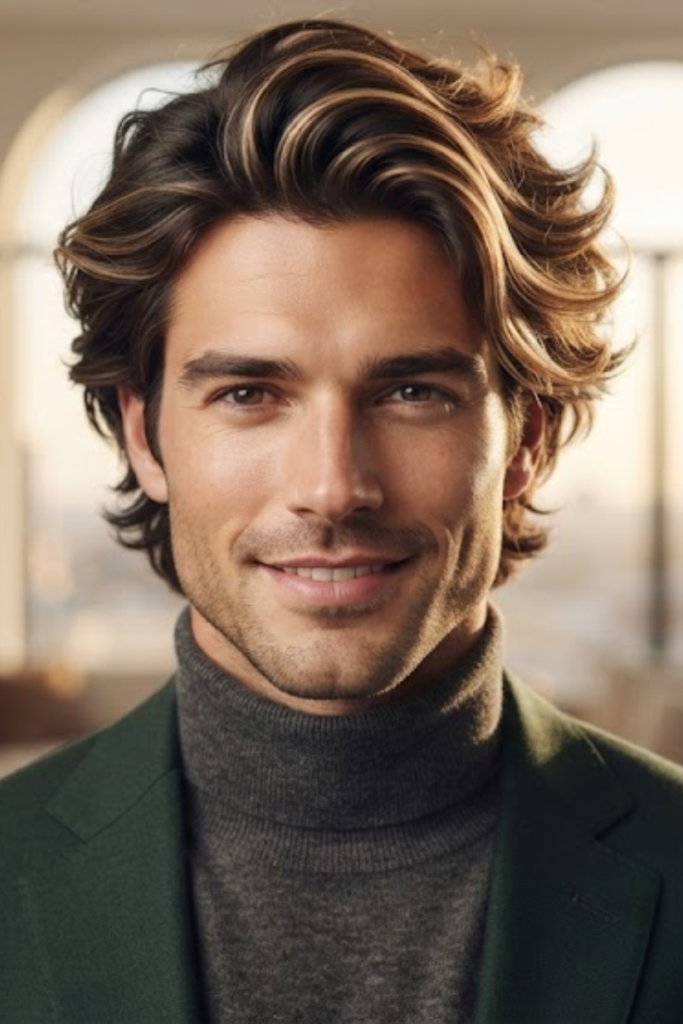
Blonde Balayage on Dark Hair creates contrast by blending lighter blonde pieces into a darker base.
The gradual transition keeps the color from looking harsh or overly bright.
This technique works especially well when you want to lighten dark hair without going fully blonde.
Choosing the right blonde shade helps keep the result balanced and natural.
13. Blonde Balayage on Brown Hair
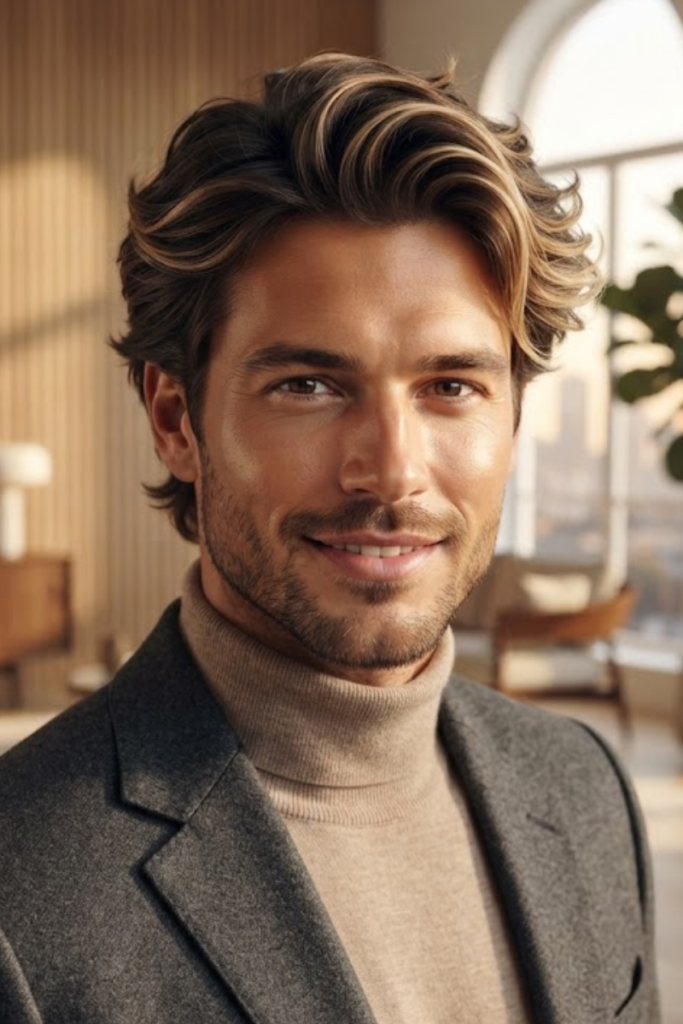
Blonde Balayage on Brown Hair adds brightness while keeping the natural brown base visible.
The lighter sections create movement and make the hair look more dimensional.
You can choose warm honey tones or cooler beige shades depending on your preference.
It is one of the easiest ways to refresh brown hair without changing the entire color.
14. Subtle Blonde Balayage
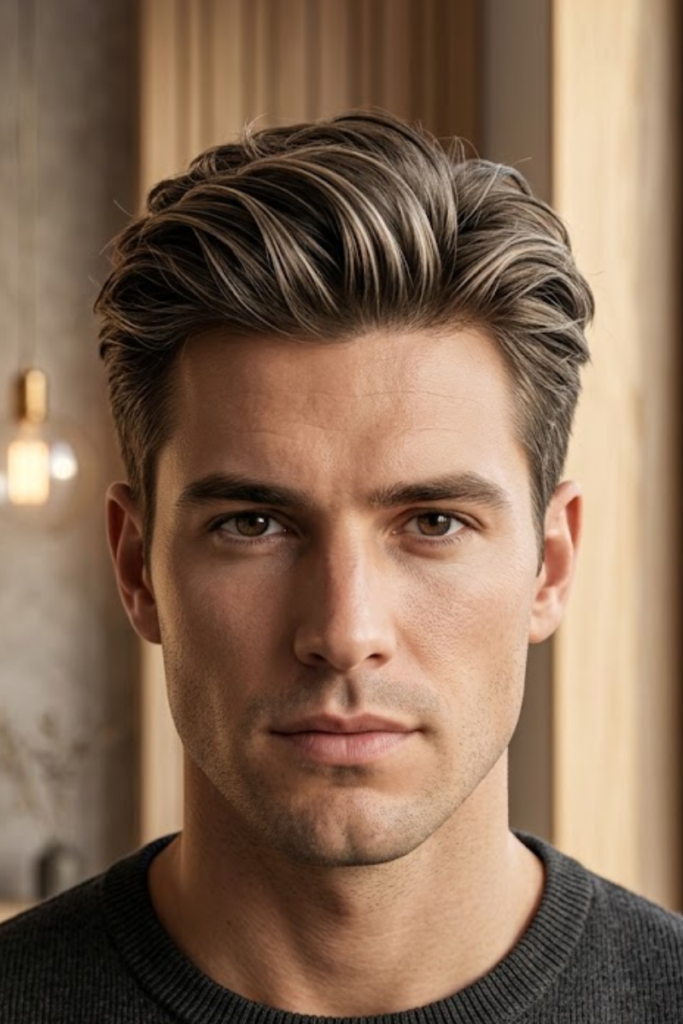
Subtle Blonde Balayage uses small amounts of blonde to create a soft change.
It adds just enough brightness to make the hair look fresh without creating a dramatic transformation.
This technique is perfect for first-time balayage clients.
It also gives you an easy way to see how you like lighter hair before going brighter.
15. High-Contrast Blonde Balayage
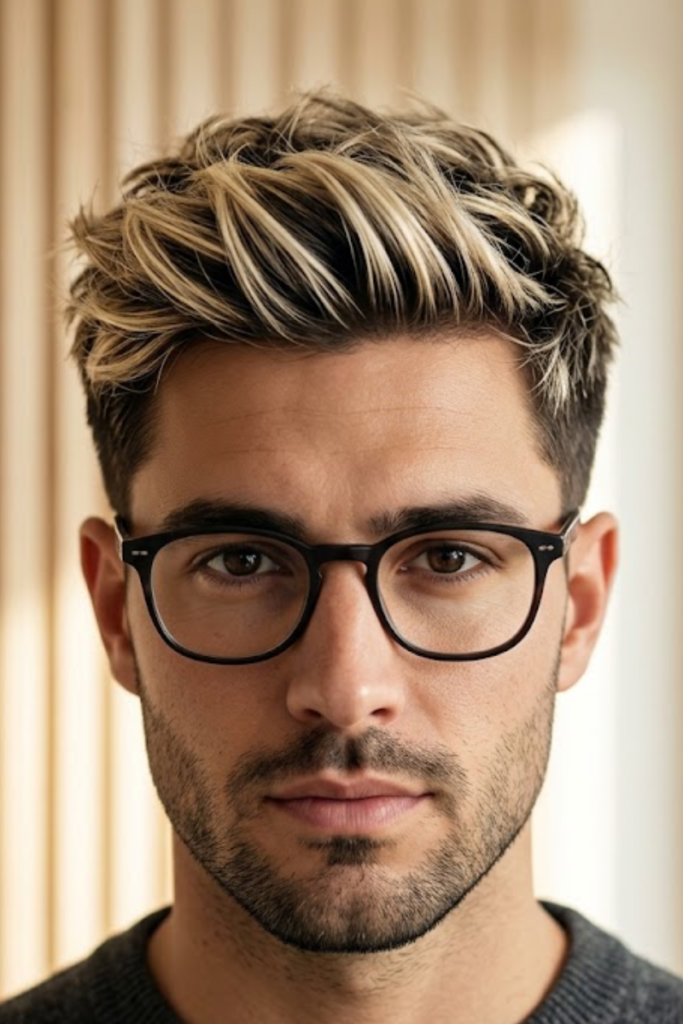
High-Contrast Blonde Balayage creates a stronger difference between the natural base and blonde highlights.
The brighter pieces make the color more noticeable and give the hair extra dimension.
This style works well for anyone who wants a bold blonde transformation.
It looks especially striking on longer hair with waves or layers.
16. Soft Blonde Balayage
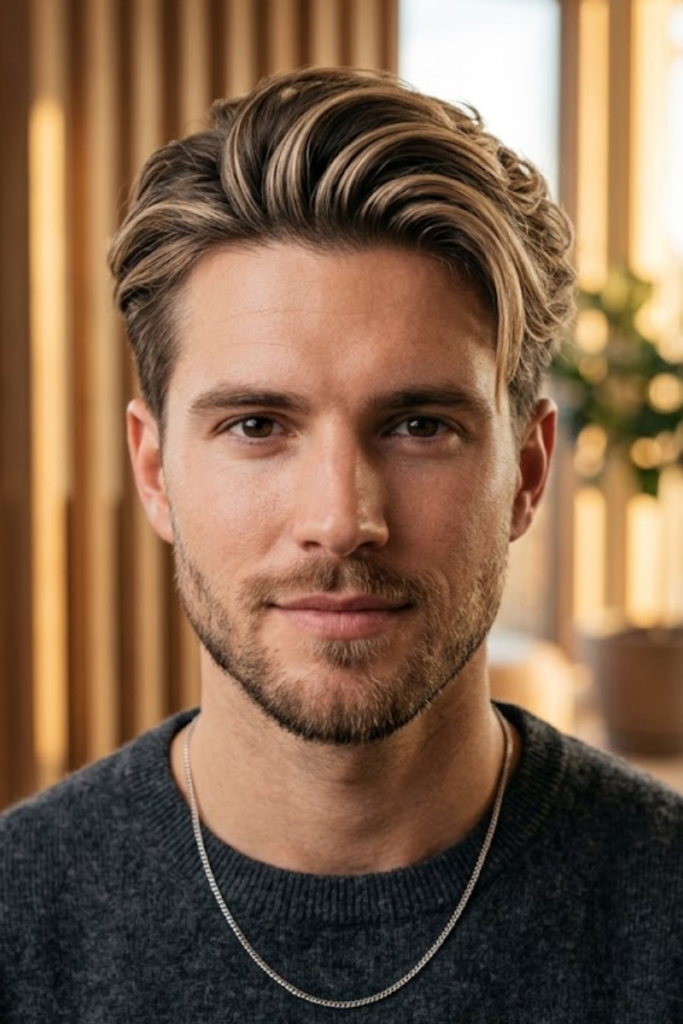
Soft Blonde Balayage focuses on gentle transitions between the base color and blonde pieces.
There are no harsh lines, so the finished color looks smooth and natural.
This technique works well for everyday hairstyles and different hair lengths.
It is a good option if you want noticeable brightness without a dramatic contrast.
17. Blonde Balayage with Lowlights
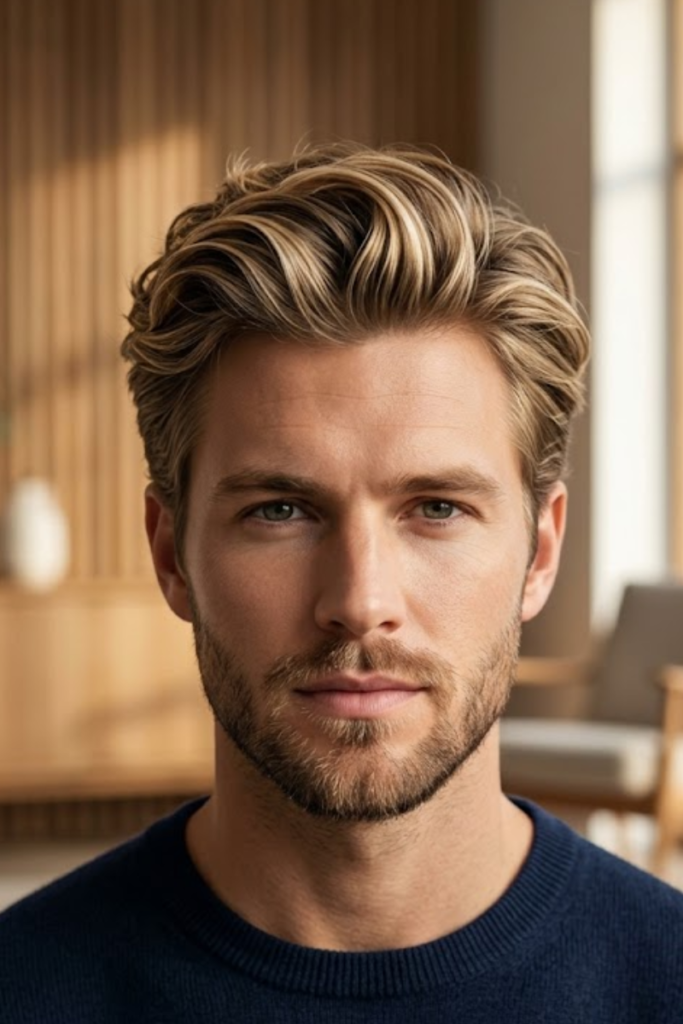
Blonde Balayage with Lowlights combines lighter blonde pieces with darker strands for added depth.
The darker sections prevent the blonde from looking flat or overly bright.
This technique works especially well on thick or naturally dark hair.
The mix of light and dark tones creates a fuller and more dimensional appearance.
18. Blonde Balayage with Waves
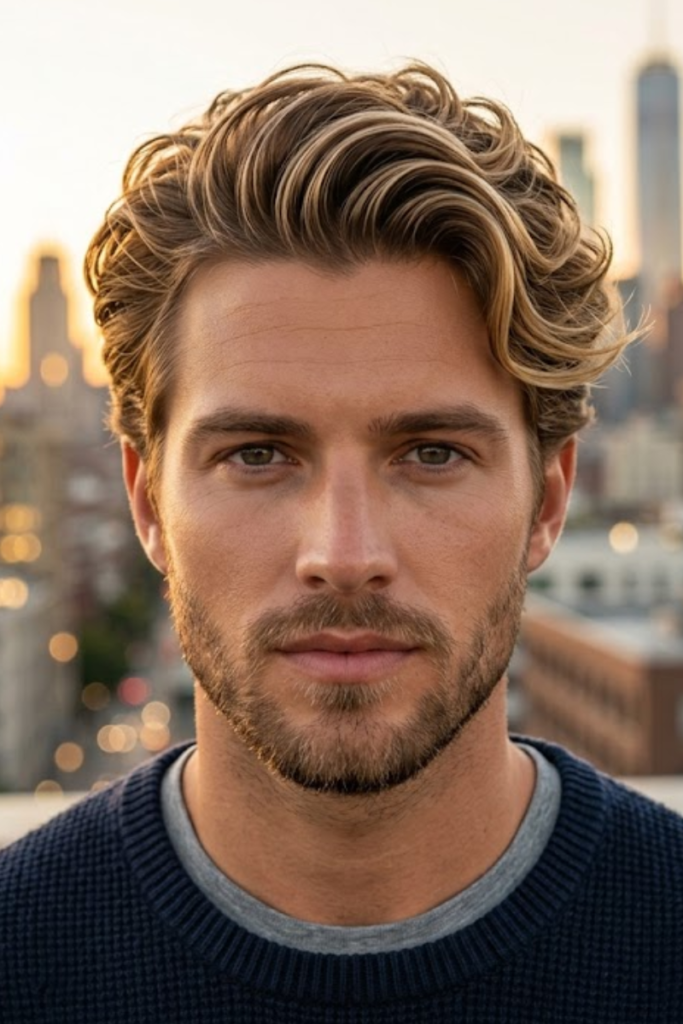
Blonde Balayage looks especially beautiful with soft waves because the texture shows off the different shades.
The lighter pieces create movement and make the color look more dimensional.
This combination works well for both casual and special occasions.
Loose waves are an easy way to highlight the balayage blend.
How to Choose the Right Blonde Balayage Technique
Start by considering your natural hair color, skin tone, hair condition, and how bright you want the final result.
Choose subtle or rooted balayage if you want easier maintenance, while brighter techniques work better when you want a stronger transformation.
Warm shades like honey and caramel suit those who prefer a golden finish, while ash and icy blondes create a cooler look.
Your hairstylist can also adjust the placement and tone to create a balayage that works with your haircut and natural hair.
Final Thoughts
The right blonde balayage technique can brighten your hair while keeping the color soft, dimensional, and natural-looking.
Whether you prefer Honey Blonde, Ash Blonde, Caramel, Platinum, Rooted Blonde, or a subtle balayage, there is a technique for almost every style.
Choose the shade and level of brightness that fit your natural hair and maintenance routine for a result you will enjoy wearing.
Frequently asked questions
What is the best blonde balayage for dark hair?
Honey blonde, caramel blonde, and warm beige balayage work well on dark hair because they create a soft blend without harsh contrast.
Which blonde balayage looks the most natural?
Soft beige, honey, and warm blonde balayage usually look the most natural because they blend smoothly with the base color.
How do I choose the right blonde balayage for my skin tone?
Choose warm blonde shades for warm undertones, ash or beige blondes for cool undertones, and neutral blonde shades for neutral undertones.
What is the difference between blonde balayage and highlights?
Balayage is hand-painted for a softer, blended result, while highlights usually create more uniform sections of lighter hair from the roots.
Which blonde balayage requires the least maintenance?
Balayage with a soft root blend requires less maintenance because the color grows out gradually without a strong line at the roots.
How often should blonde balayage be touched up?
Most blonde balayage styles need a touch-up every 3–6 months, depending on how fast your hair grows and how light you want the color.
How do you keep blonde balayage from turning brassy?
Use a purple shampoo when needed, protect your hair from excessive heat, and follow a toner schedule recommended by your stylist.